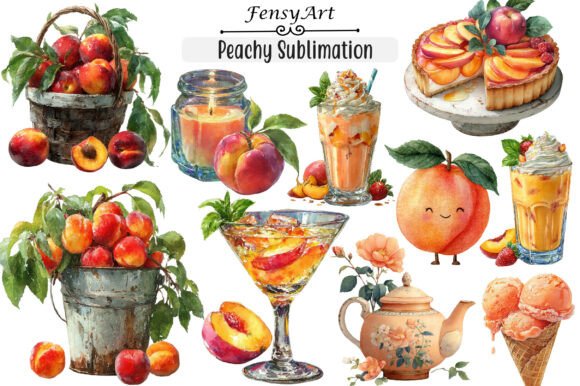
Evaluating Watercolor Peachy Sublimation Assets for Creative Projects
In the evolving landscape of digital design and print-on-demand, the aesthetic appeal of a product often hinges on the quality of its underlying assets. Watercolor Peachy Sublimation represents a specific niche within this market, targeting creators who seek soft, organic textures combined with warm, inviting color palettes. For professionals and hobbyists alike, understanding the technical specifications and practical applications of these digital files is essential before integrating them into a commercial or personal workflow. This analysis explores the utility, quality, and versatility of this asset pack, providing an objective overview for designers, small business owners, and crafters.
Technical Specifications and File Integrity
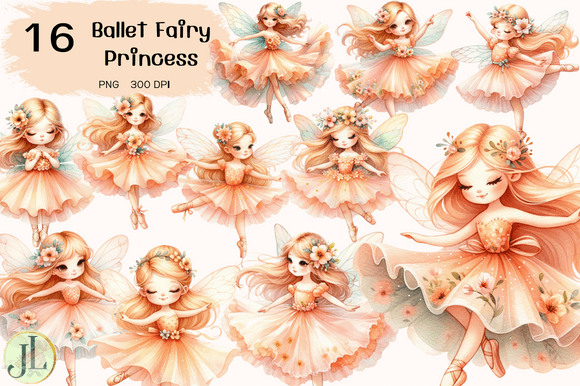
The foundation of any successful sublimation or digital printing project lies in the resolution and format of the source files. This particular collection offers 18 PNG files, each rendered at 300 DPI (dots per inch). In the context of professional printing, 300 DPI is the industry standard for ensuring crisp, clear output without pixelation. Lower resolution files often result in blurry edges or visible jagged lines, particularly when scaled up for larger items like posters or tote bags. By adhering to this standard, the asset pack ensures that the delicate nuances of watercolor textures—such as pigment bleeding and paper grain simulation—remain intact during the transfer process.
Furthermore, each image is sized at 12×12 inches. This square format is highly versatile. It is large enough to cover significant surface areas on standard apparel and home decor items, yet manageable for smaller applications like stickers or labels. The inclusion of a transparent background is perhaps the most critical technical feature. Transparent PNGs allow designers to layer these watercolor elements over various base colors and materials without the obstruction of a white or colored box. This flexibility is indispensable for sublimation printing, where the design must blend seamlessly with the substrate, whether it is a white polyester shirt, a ceramic mug, or a colored notebook cover.
Aesthetic Appeal and Design Versatility
The term "peachy" in this context refers not just to color, but to a mood. Watercolor peach tones evoke warmth, nostalgia, and gentle sophistication. Unlike bold, primary-colored graphics that demand immediate attention, these softer hues invite closer inspection. This makes Watercolor Peachy Sublimation particularly effective for brands and projects aiming to convey approachability, elegance, or calm. The watercolor medium itself adds a layer of artistic authenticity. Each brushstroke varies in opacity and saturation, mimicking the unpredictable beauty of hand-painted art. This organic irregularity helps avoid the sterile, mass-produced look that can sometimes plague digital designs.
The versatility of these assets extends across multiple creative disciplines. For those involved in scrapbooking and creative journals, these elements provide ready-made embellishments that add depth and texture to page layouts. Instead of spending hours painting individual flowers or abstract shapes, users can drag and drop high-quality elements, adjusting their size and opacity to fit their narrative. Similarly, for digital planners and clipart projects, the transparent backgrounds allow for easy integration into GoodNotes, Notability, or other productivity apps, enhancing the visual appeal of daily logs and trackers.
Practical Applications in Print-on-Demand and Retail
For entrepreneurs and small business owners, the primary value of this asset pack lies in its application for physical products. Sublimation printing requires designs that can withstand heat transfer while maintaining color vibrancy. The high-resolution PNGs included here are optimized for this purpose. When printed on polyester-blend fabrics or coated substrates, the watercolor textures retain their softness, avoiding the heavy, plasticky feel associated with some vinyl transfers.
Consider the application in sublimation t-shirt printing. A design featuring peachy watercolor florals or abstract washes can appeal to a broad demographic, from teenagers to adults seeking comfortable, stylish casual wear. The 12×12 inch size allows for full-front prints or smaller pocket designs, offering flexibility in product variation. Beyond apparel, these graphics are ideal for mugs, tote bags, and other gifts. The warm tones complement the neutral colors often used in home goods, making them suitable for kitchenware or beach accessories.
In the realm of stationery and paper goods, the potential is equally significant. Invitations for birthdays, weddings, and baby showers benefit greatly from the gentle aesthetic of watercolor peach. These events often call for designs that feel personal and celebratory without being overly loud. Designers can use these PNGs as background elements or focal points, combining them with typography to create cohesive invitation suites. Additionally, greeting cards, book covers, and packaging labels can leverage these assets to stand out on shelves or in online marketplaces. The unique texture of watercolor adds a tactile quality to visual designs, suggesting a premium, handcrafted product even when produced digitally.
Branding and Digital Presence
Beyond physical products, Watercolor Peachy Sublimation assets serve a vital role in digital branding. For bloggers, coaches, and online educators, consistent visual identity is crucial. These graphics can be used in website headers, blog post featured images, and social media content. The soft color palette works well for niches such as wellness, lifestyle, parenting, and creative arts, where a calming and inviting atmosphere is desired. By incorporating these elements into their branding kits, professionals can create a cohesive look across all platforms, enhancing brand recognition and trust.
Moreover, the ease of use allows for rapid content creation. Marketers and social media managers can quickly assemble visually appealing posts by layering these transparent PNGs over photos or solid backgrounds. This efficiency is valuable in fast-paced digital environments where timely content is essential. The assets provide a professional finish without requiring advanced graphic design skills, democratizing high-quality visual communication for solopreneurs and small teams.
Limitations and Best Practices
While the asset pack offers significant value, it is important to acknowledge its limitations to manage expectations. First, the color palette is specific. While "peachy" tones are versatile, they may not suit brands or projects requiring bold, high-contrast, or cool-toned aesthetics. Designers working in tech, finance, or industrial sectors may find these assets less relevant unless used sparingly as accent pieces. Second, while the files are high resolution, they are raster images (PNGs), not vector files. This means they cannot be scaled infinitely without potential quality loss, although the 300 DPI at 12×12 inches provides ample room for most standard printing needs.
To maximize the effectiveness of these assets, users should consider color management. Screens display colors differently than printers. It is advisable to perform test prints on the intended substrate to ensure the peach tones translate accurately. Additionally, when using these elements in complex compositions, attention should be paid to layering order and opacity settings to maintain visual balance. Overusing watercolor elements can lead to cluttered designs; restraint often yields more sophisticated results.
Conclusion: Assessing Value for Creators
The Watercolor Peachy Sublimation asset pack presents a practical solution for creators seeking high-quality, ready-to-use design elements. Its strengths lie in its technical reliability—300 DPI resolution and transparent backgrounds—and its aesthetic flexibility. For individuals involved in DIY crafts, digital planning, sublimation printing, and graphic design, this collection offers a time-saving resource that maintains a professional standard. Whether used for wall art, posters, stickers, or branding graphics, these files provide a solid foundation for creative expression. By understanding both the capabilities and constraints of these digital assets, users can effectively integrate them into their workflows, enhancing the visual appeal of their projects while streamlining the design process.